I have always lived carrying an anxiety about the future. Looking back, that anxiety was not simply a matter of temperament or mood; it arose from years of living without being able to explain to myself the things that cannot stop. I drew from childhood and grew up hearing that I was good at it. I chose painting naturally, but Korea's art-school admissions were rougher than I expected, and in that process I wore out quickly. In the end I did not enter art school when I wanted to, and that experience was less a failure than a sensation of the entire ground beneath me being shaken.
Around that time I met a teacher. I had already mastered the pictures and techniques for the entrance exams, and he was the first person to tell me that another path of choice was possible. And so I came here not by the one road everyone walks, but through many bends and curves. Those years were neither fast nor smooth, but they surely passed through me.
To learn art was, in the end, to master technique. But I could neither fully trust that technique nor completely reject it. Because I had learned it, I had to use it; and as I used it, I wanted to break free, yet erasing what was already ingrained in the body was not easy. Technique both supported me and, at the same time, bound me. Within that contradiction, I kept wavering.
And so I passed an unsettled twenties and thirties. I graduated from college and entered graduate school, but I still could not speak clearly about myself. Before "what do I want to paint," the question "what kind of person am I" stood further ahead. At home there was a world of different standards. My siblings were all engineering students who valued precise data, clear results, and definite answers. Vague adjectives and the language of uncertain emotion were not easily trusted there.
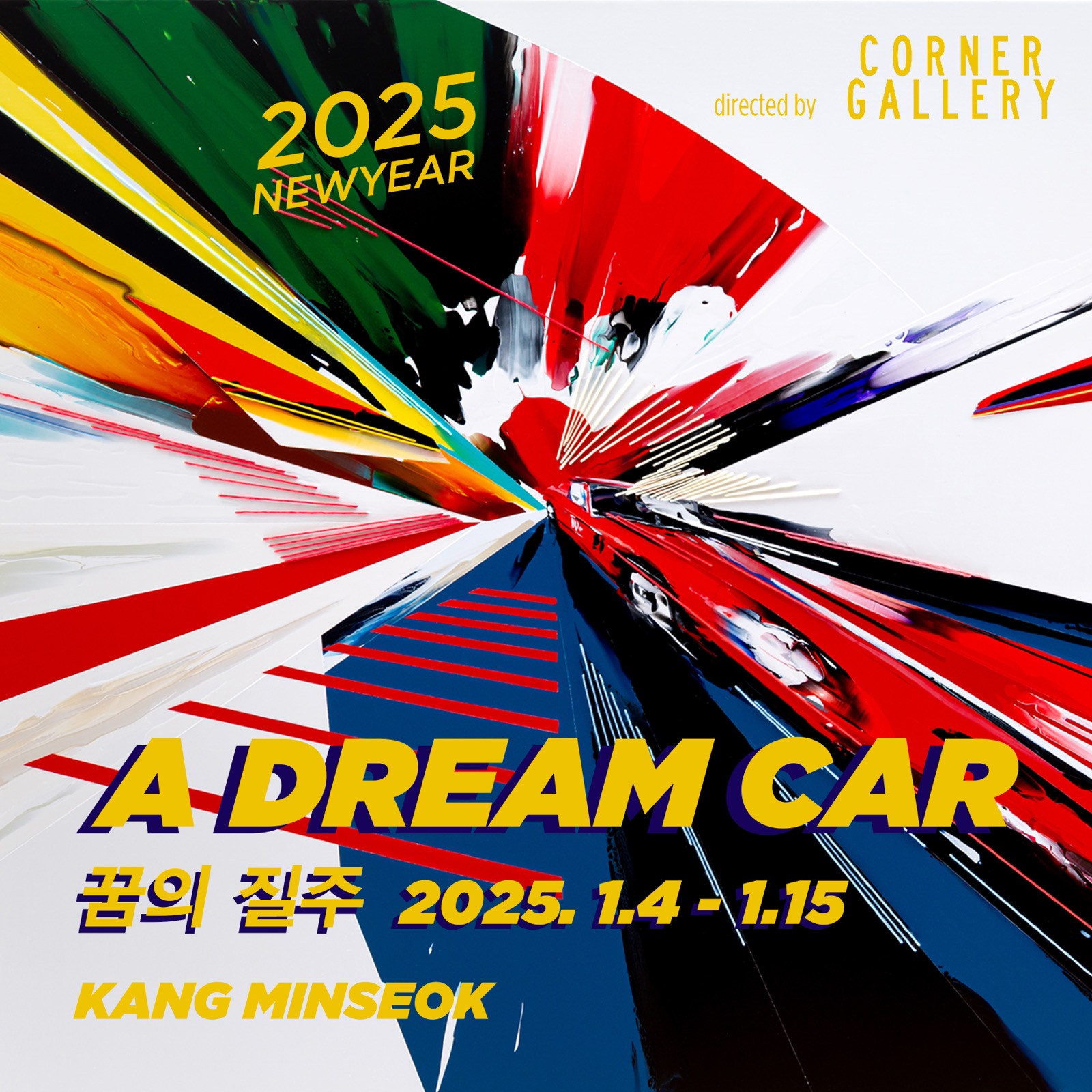
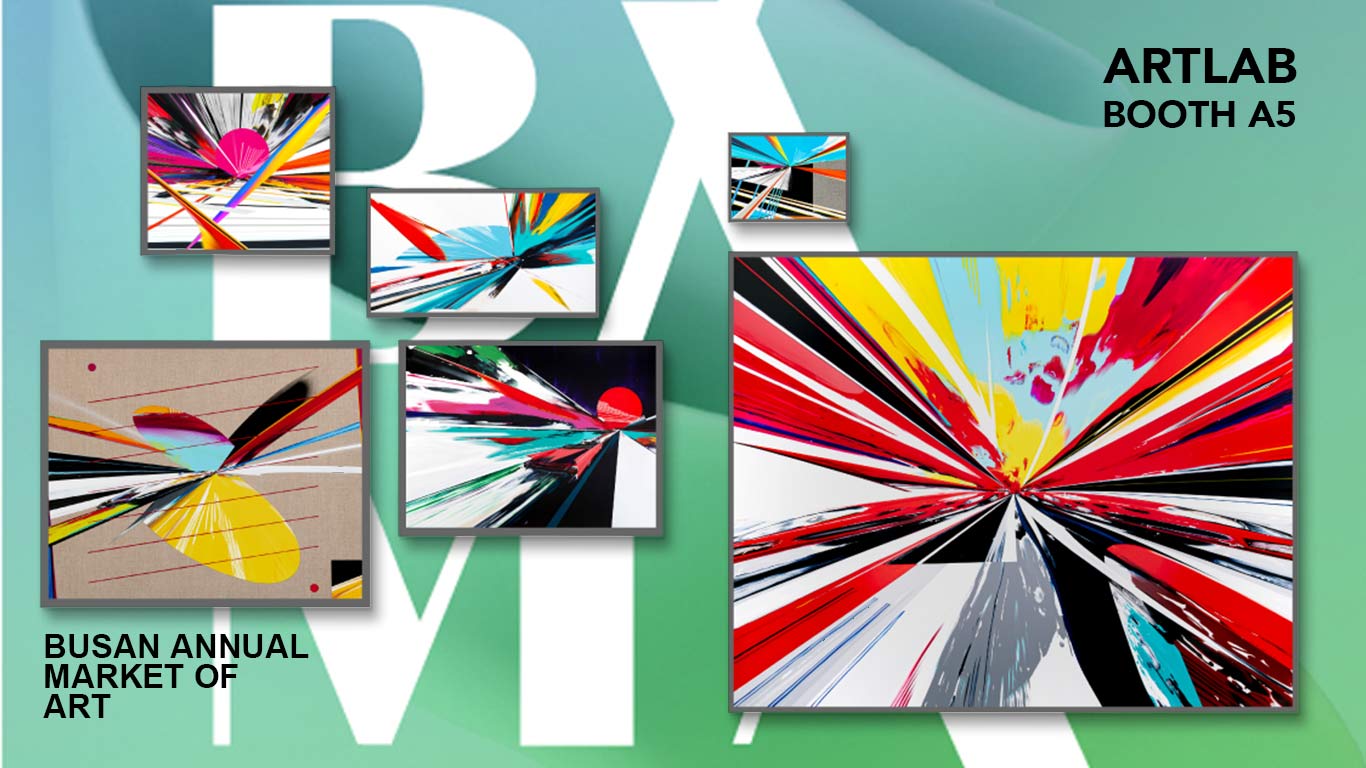
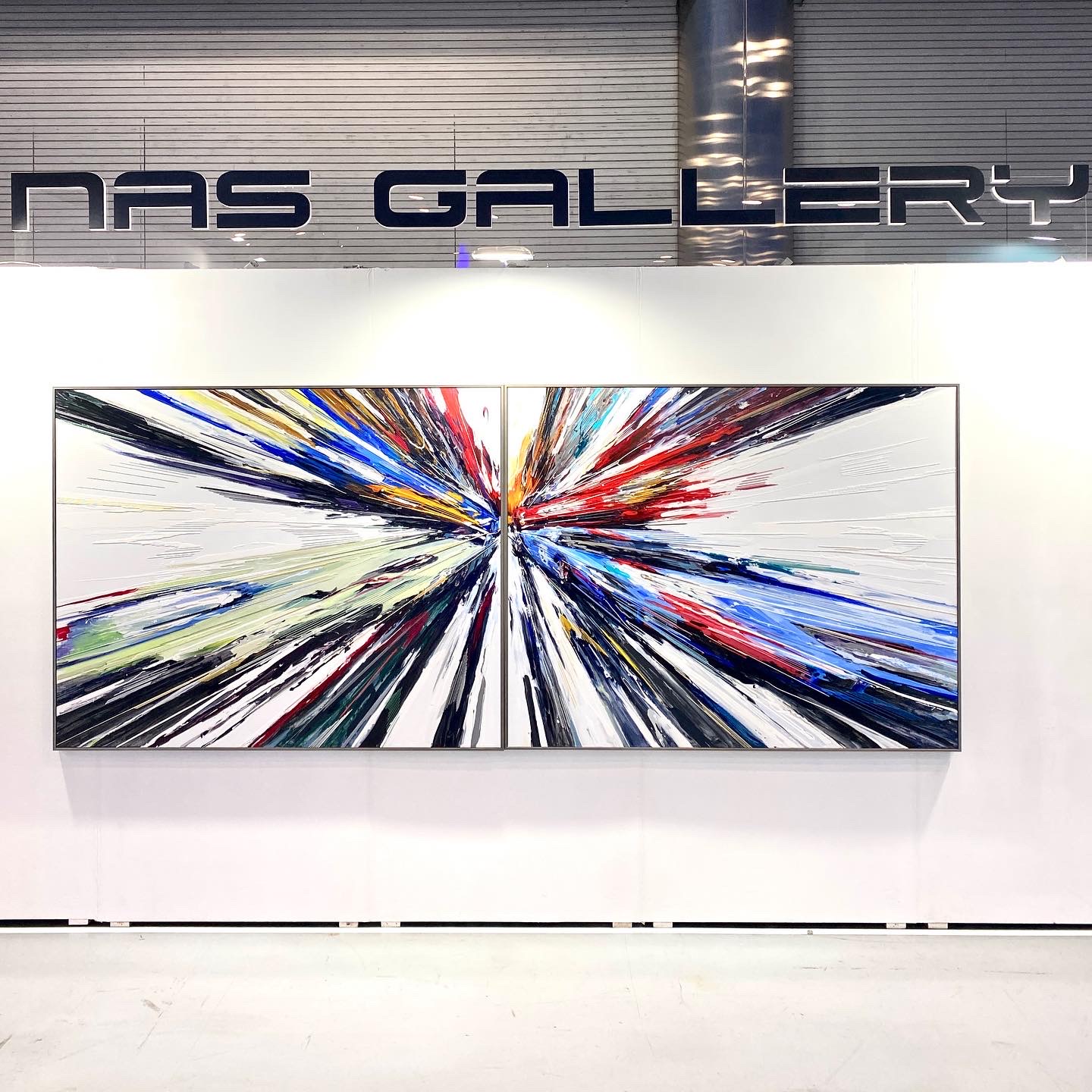
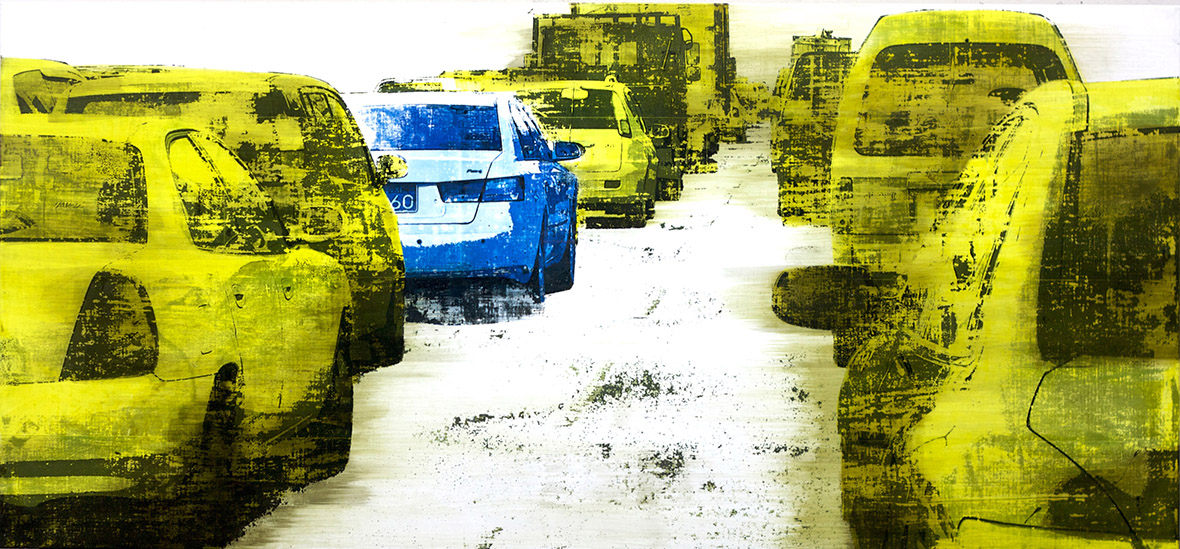
One day, while driving, I was stopped at a red light. On the wide eight-lane road, countless cars stood in rows, all going somewhere toward their fixed times and destinations. In that moment a thought suddenly came to me: I, too, am mixed into that crowd as one of them. I am also going somewhere — but is the direction really right, and by whom was the speed decided? That question was the beginning of the automobile paintings.
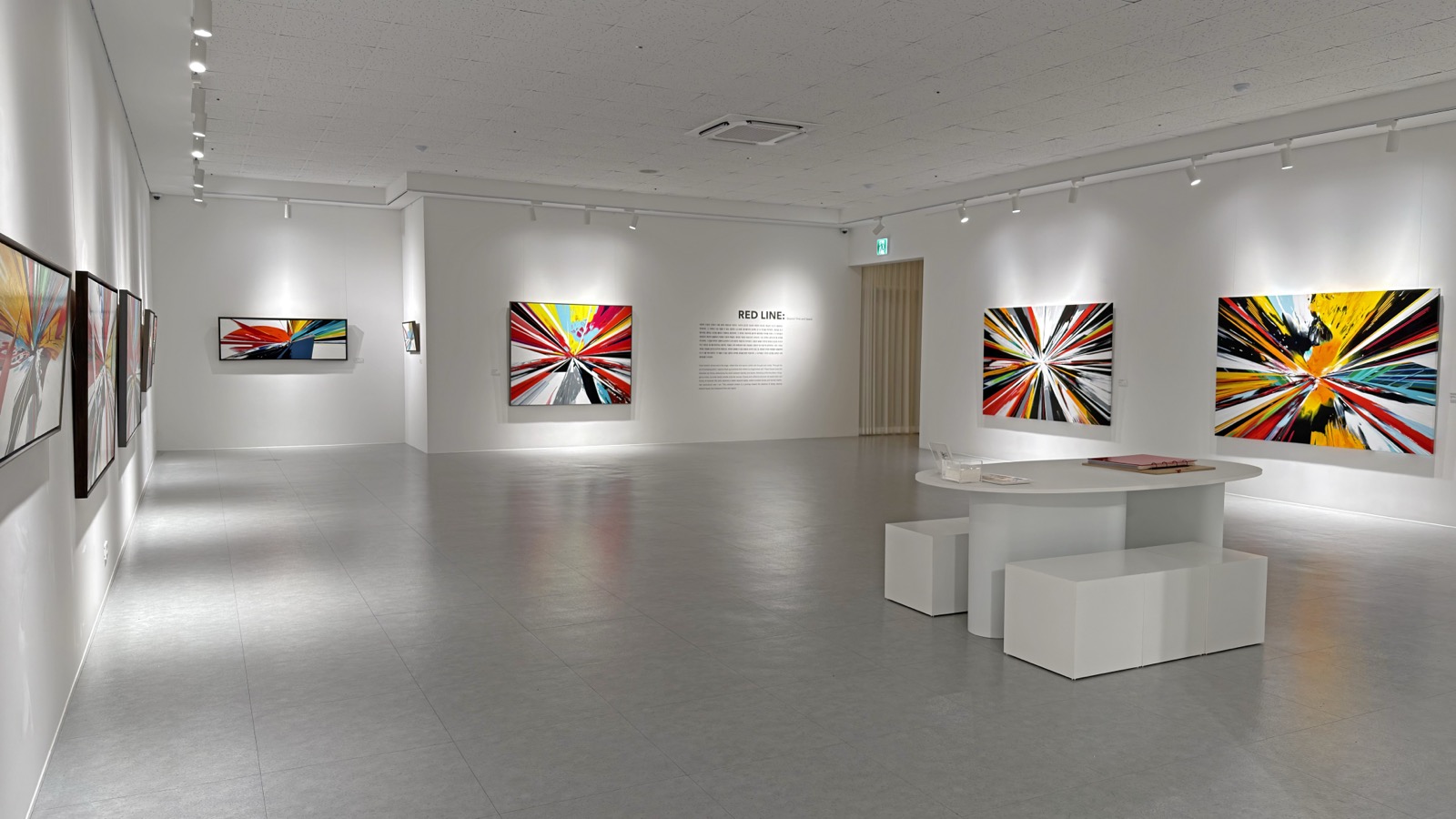
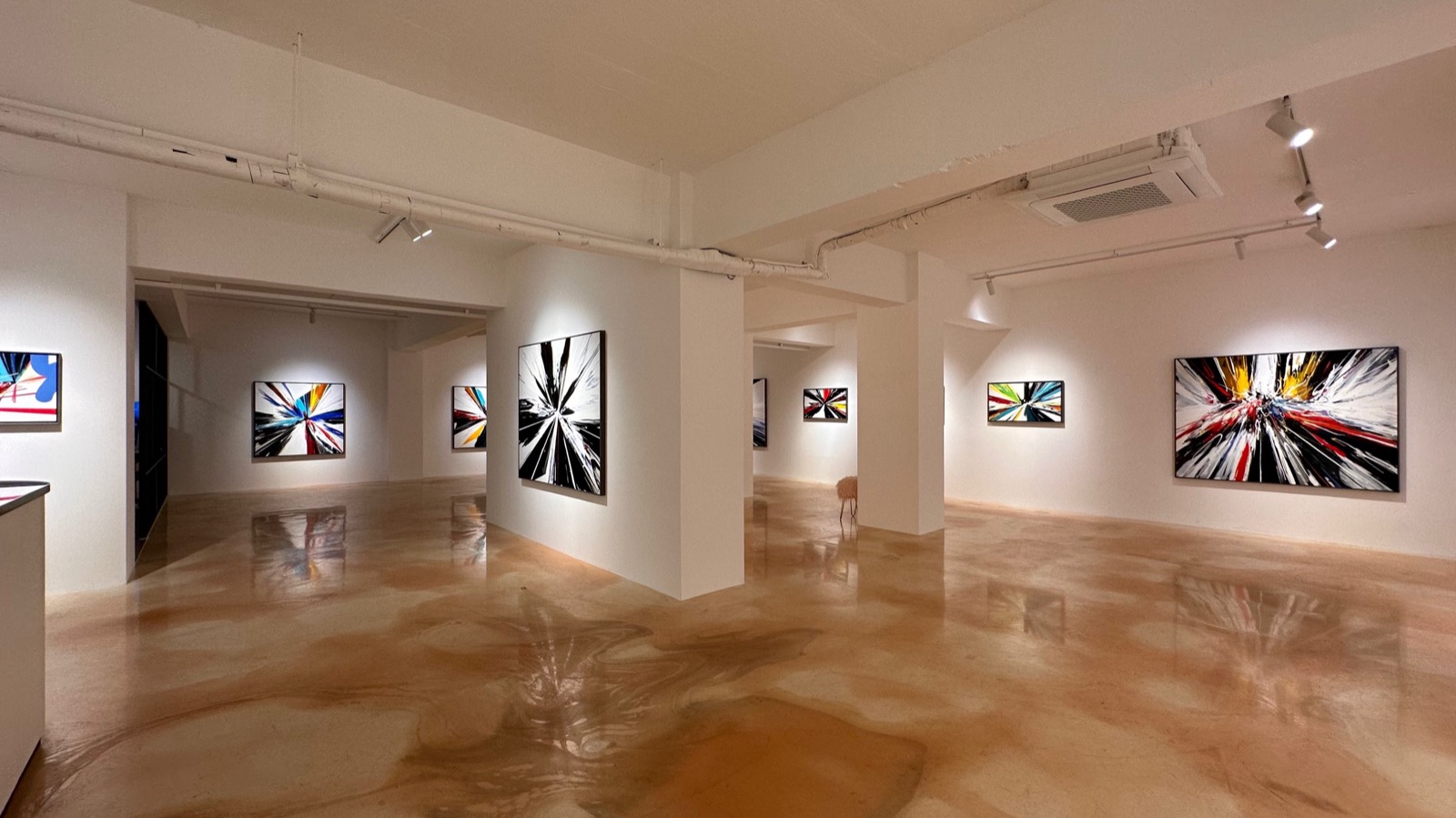
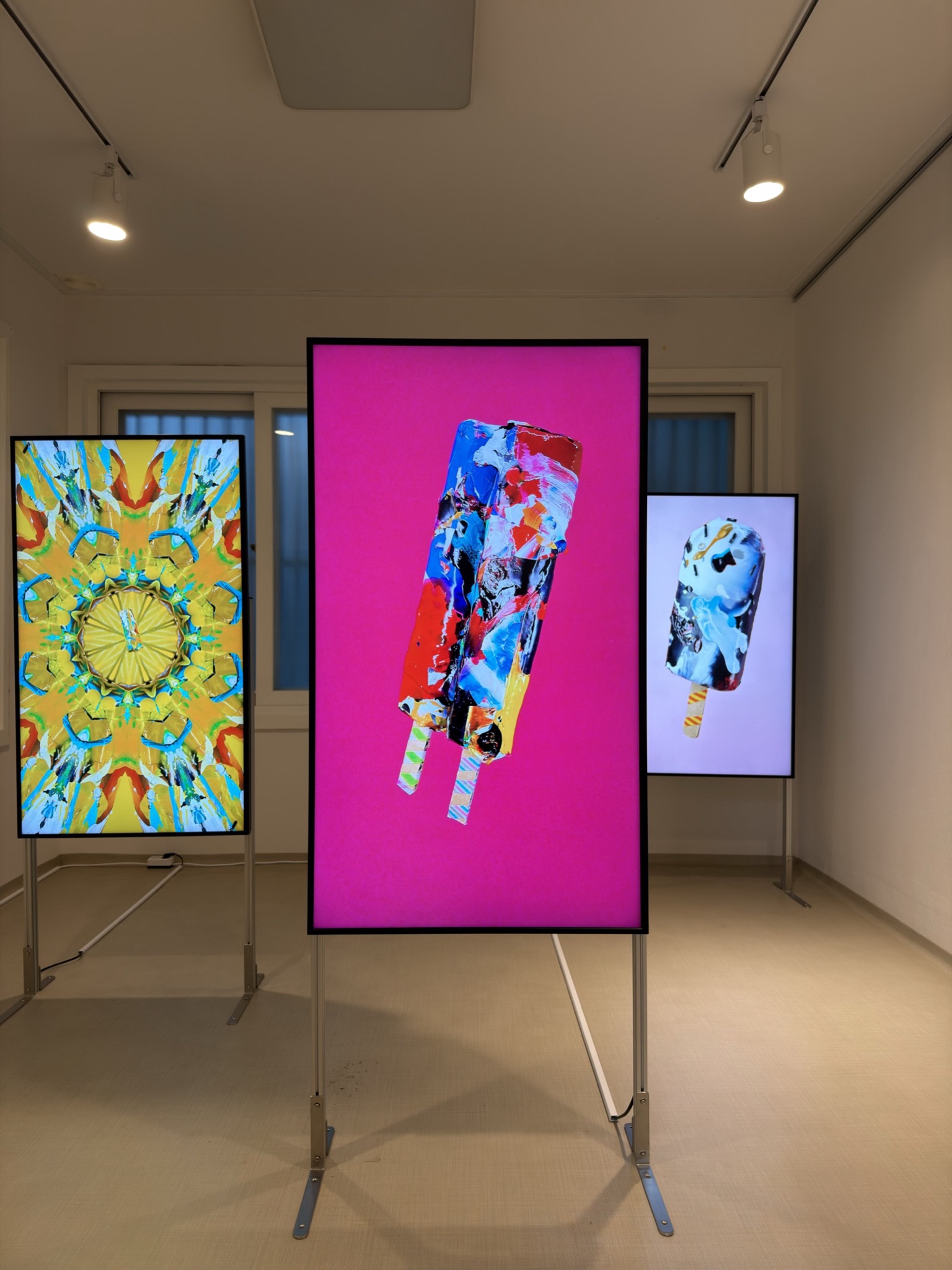
From then on, the automobile was not a simple object to me. It was my own condition, my anxiety about the future, the figure of the compulsion that I would fall behind if I stopped. And so the automobiles in my paintings are always unstable. They are distorted, dismantled, and lose their direction with only speed remaining. I scrape, push, and let the paint flow. When I push the surface with a squeegee, the picture briefly slips out of control; drawing straight lines and crossing the surface with embroidery floss, I repeat the attempt not to display technique but to break free of it.
I am still anxious about the future. That anxiety does not easily disappear. But now I no longer turn away from it. To paint an automobile is not to praise the act of running, but to look at myself, lost within that race.
We all stand before a signal and then set off again — whether the direction is clear or not. If so, then perhaps what truly matters is not speed, but asking ourselves why we cannot stop, to this extent.